Professorship Anthroposophic Healthcare
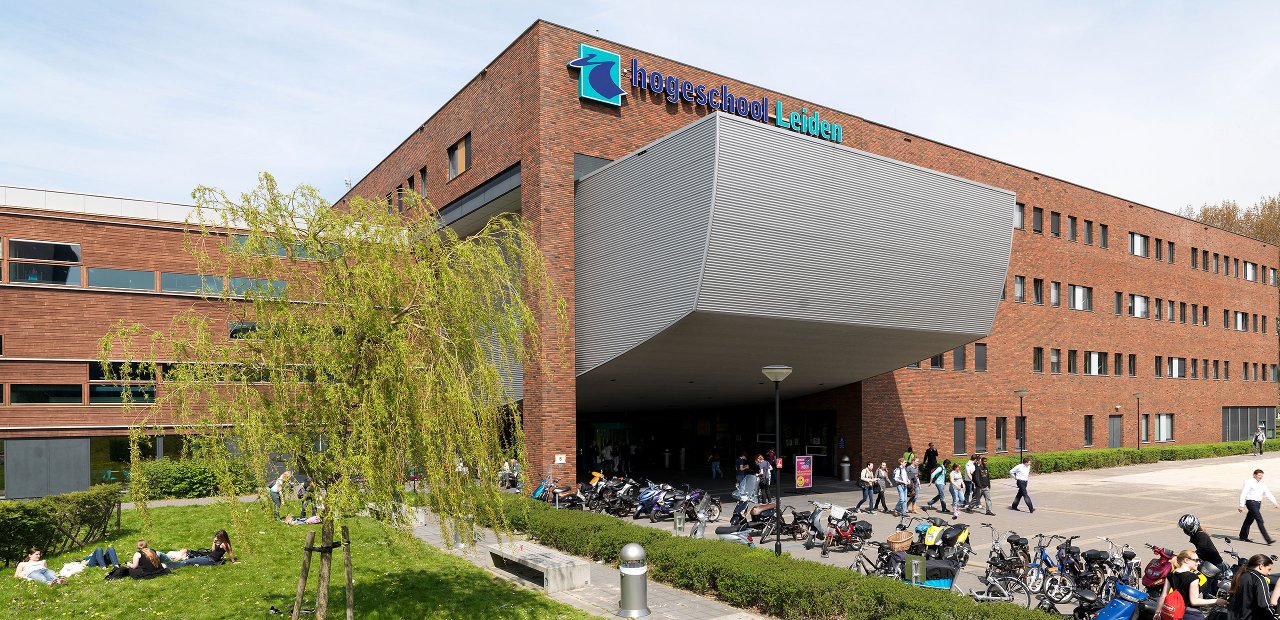
The University of Applied Sciences Leiden is the only one in the Netherlands with a professorship that focusses on the knowledge domain of anthroposophic healthcare. Governments, healthcare insurers and institutions are increasingly asking for evidence of the effectiveness, quality and safety of anthroposophic healthcare, while the sector is still unable to produce sufficient scientific evidence. This in turn threatens the availability of anthroposophic therapies.
With the unique professorship in Anthroposophic Healthcare and its extensive network, the University of Applied Sciences Leiden has access to the most recent national and international knowledge and studies. The professorship aims eventually to become one of the most important and innovative research groups in anthroposophic healthcare and integrative medicine in the Netherlands and Europe. Are you interested in a collaboration or do you have a research question? Then please
contact the professorship.
Practice-oriented research in collaboration with the professional field of anthroposophic healthcare
The professorship works closely together with the anthroposophic field of healthcare practice and produces practice-oriented research on the following central themes:
- Demonstrating the effectiveness and safety of anthroposophic healthcare,
- Developing an optimal quality of care,
- Improving the communication about anthroposophic healthcare,
- Contributing to the development of Integrative Medicine.
Contributing to teaching at the University of Applied Sciences Leiden and solving existing problems in healthcare
Together with other professorships of the University of Applied Sciences Leiden, the professorship Anthroposophic Healthcare contributes to finding solutions for current problems in conventional healthcare. Cost savings are absolutely essential, but not at the expense of the quality, accessibility and innovation of care. This leads to developments in the direction of:
- health promotion,
- introducing 'stepped care' ('first least intrusive treatment methods in primary health care'),
- reducing the use of medicines and
- stimulating patient competence and self-management.
Anthroposophic care has accumulated years of experience in finding a practical application for these concepts.
The professorship Anthroposophic Healthcare also contributes to education, in particular the anthroposophic Art Therapy education.